Portfolio
Products built and solutions shipped
Solutions we've built for clients, our own startups and demo products. Every case is a working system.

Tower
The problem. On-site appliance repair services run their calls through messengers: the request sits in one chat, the address in another, and the cash a technician collected stays in his notebook. The dispatcher cannot see who is where or how much has been earned.
What we built. We built Tower — a management system for on-site appliance repair: a dispatcher board with every call, automatic routing to the nearest available technician, cash accounting per call and day-by-day analytics.
What changed. Kuznya's own product. The demo is live and open to anyone, but there are no paying deployments yet — so we quote no savings figures.

Flare
The problem. Tow trucks and roadside assistance work around the clock, and orders come in by phone at any hour. A missed call is lost money, and insurance companies need their own calls accounted for separately.
What we built. We built Flare — a system for tow trucks and 24/7 roadside assistance: a live crew map, vehicle selection by actual arrival time, a till for every call and a dedicated channel for insurers.
What changed. Kuznya's own product. The demo is live and open, with no paying deployments yet.
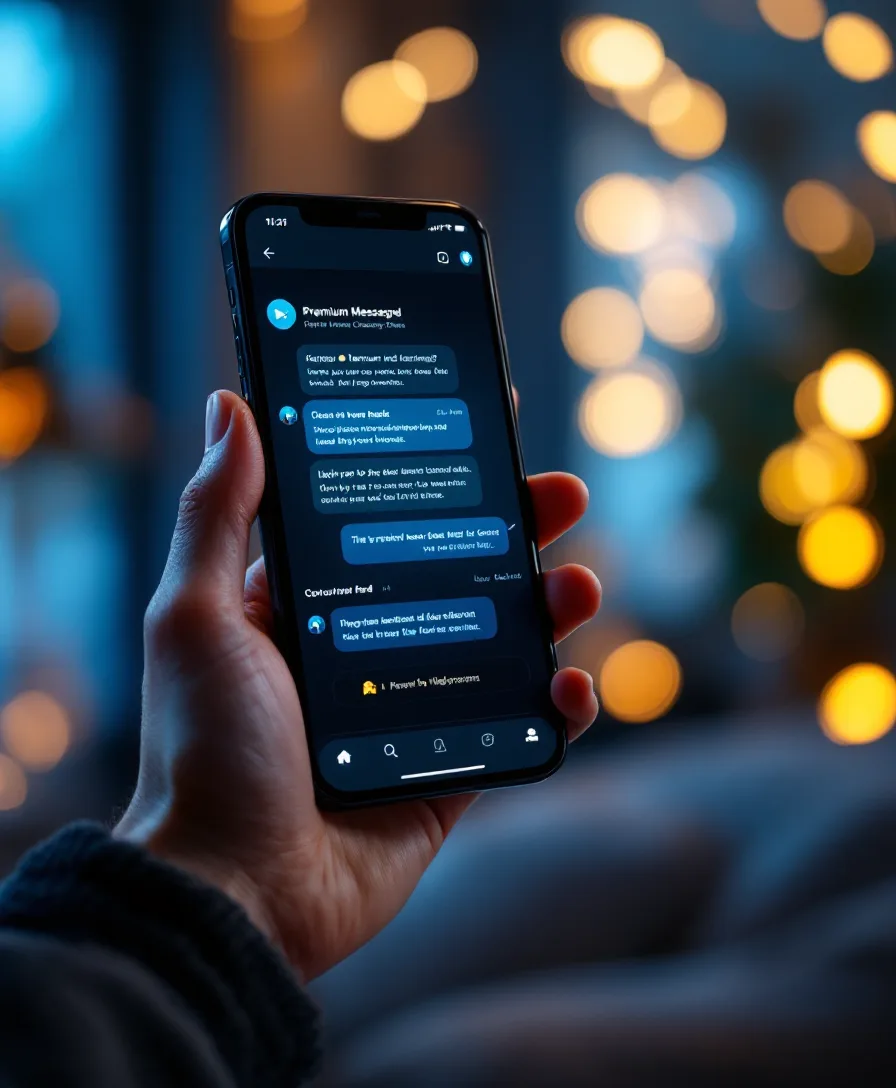
Telegram solutions
The problem. A small business often needs no website at all — its customers already live in Telegram. But “build us a bot” means at least six different things, and at the start the client does not know which one they actually need.
What we built. We built six working solutions inside Telegram: a store with payments, a paid subscription channel, a booking bot, an AI advisor, a quiz for collecting leads and a FAQ bot.
What changed. Every one of them can be opened and poked in a live demo before ordering. Telegram bots start at 50 US dollars for a card-bot and go up to 300 US dollars for a store inside the messenger.

Crew
The problem. Installation crews — HVAC, plumbing, electrical — run their sites on Excel and Viber. The materials estimate lives in one file, the crew schedule in another, and how much cash was taken on site is recorded nowhere.
What we built. We built Crew — a system for installation crews: crew scheduling by site, work stages, materials estimates and cash accounting in one place.
What changed. Kuznya's own product. The demo is live and open, with no paying deployments yet.

AI agents for business
The problem. Every business has busywork a person repeats daily by one and the same rule: answer a routine customer question, sort the inbox, send a booking reminder, move a request from one place to another. No judgement is required — but the hours go anyway.
What we built. We build AI agents that take this busywork over where the customer already is: in Telegram, WhatsApp and the chat on your site. The agent answers in its own words based on your materials, not from a rigid script.
What changed. They work with no days off. We name the limit upfront: if every step of a process needs a human decision, automation will only add confusion there — and we say so plainly instead of charging for the setup.

Veritas
The problem. A lawyer spends hours on what repeats: drafting a document from the firm's template, finding a provision, counting a procedural deadline. A general-purpose chat AI is dangerous in law — it confidently cites articles that do not exist, so everything has to be checked by hand anyway.
What we built. We are building Veritas — a lawyer's workspace: it runs cases and clients like a CRM and at the same time drafts documents in the firm's own style, searches with a citation to the specific provision and calculates procedural deadlines.
What changed. Kuznya's own legal product, in development. The core constraint is built into the foundation: the system gives no answer if it cannot show the source.
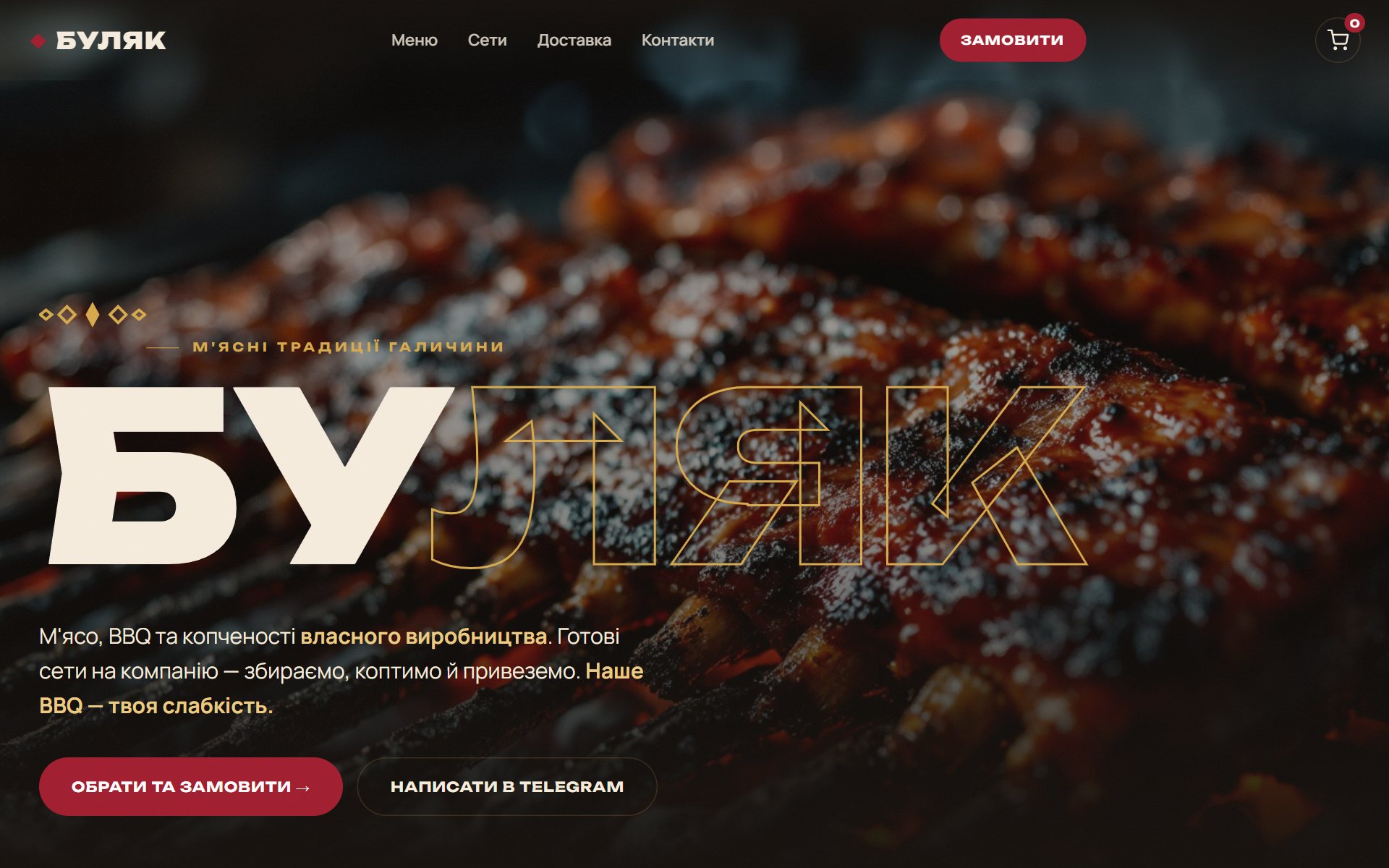
Buliak
The problem. Buliak, a butcher shop near Lviv, sold its smoked meats and BBQ through Instagram and the phone. The difficulty here is specific to meat: the weight of a cut varies, so a fixed price per item does not work — the buyer has to see the sum for their actual kilogram, not an approximation.
What we built. We built an online meat and BBQ store on WordPress and WooCommerce: a 24-item catalog, custom pricing logic for variable weight, a delivery integration and a Telegram notification for every order — so the owner sees it on his phone rather than in his inbox.
What changed. Orders go through without agreeing the weight by phone. In separate later work we sped the site up: first contentful paint 3.2 → 1.8 seconds, and the layout shift removed entirely (CLS 0.16 → 0).

Ascend Griffin
The problem. An independent advisor sells expertise, not a product. A business-card site with a list of services does not work here: the client has to understand which problems this particular person solves and why their project can be trusted to them.
What we built. We built a personal site for an independent product advisor (fractional COO / product owner): audits, discovery, project rescues — each explained together with when it is genuinely needed and when it is not.
What changed. An example of how we build understated sites for experts and service providers — with no stock photos and no promises of an “individual approach”.

Shkolyaryk
The problem. A child aged 6–10 will not sit through dull exercises, yet the school curriculum has to be reinforced every day. Parents are not looking for another app with reminders, but for something the child will open on their own.
What we built. We are building Shkolyaryk — learning games in which a child works through the school curriculum by playing.
What changed. Kuznya's own product, in development.

Kuznya Inbox
The problem. People save articles, videos and voice notes “for later” and never come back to them. The problem is not the saving — it is that among a hundred saved items nothing can be found any more, and there is no short summary to remind you what is inside.
What we built. We built Kuznya Inbox — a bot in Telegram and WhatsApp: forward it anything, it writes a short summary and files it into your own Notion or Google Drive. After that you find it by describing it in words rather than by scrolling.
What changed. A live Kuznya product on subscription: from 12 US dollars a month internationally, from 349 hryvnias a month in the Ukrainian version. The first 10 notes are free, no card required.

Have an idea for the next product?
Describe your vision or the process you need to automate — we'll find the best way to build it.
Start a project